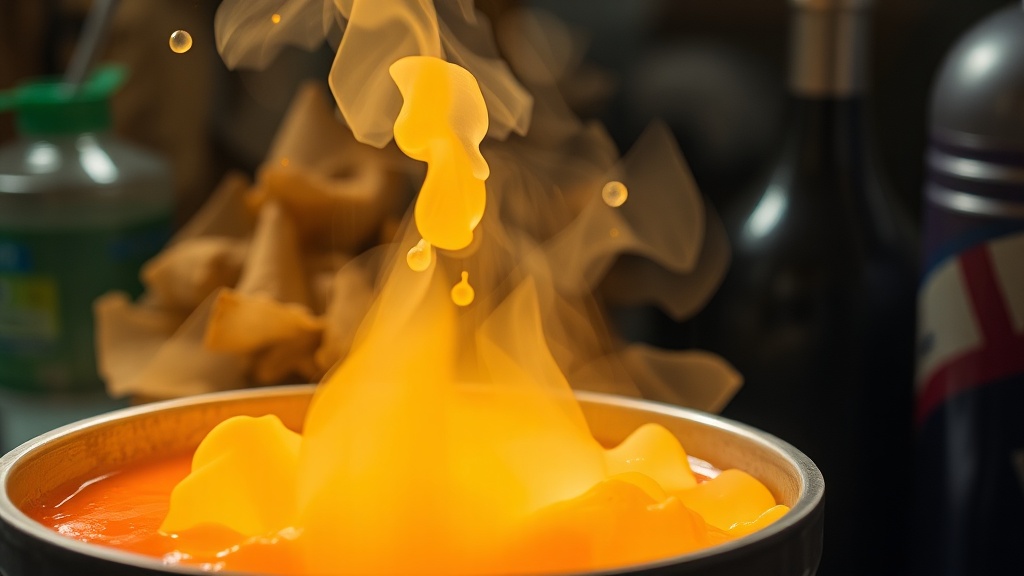
Brewing Color: Creating Botanical Inks from Kitchen Scraps

A single avocado pit can produce a surprisingly deep, sophisticated shade of soft pink, a color often sought after in high-end pigment production but frequently overlooked in the domestic kitchen. This phenomenon occurs because the tannins within the pit react with the iron in the water or the pH of the medium to shift the pigment. The process of extracting color from organic matter—known as botanical ink making—is a precise intersection of chemistry and artistry that transforms biological waste into a functional tool for your bullet journal or watercolor sketchbook.
The Chemistry of Color Extraction
Creating botanical inks is not merely boiling scraps in water; it is a controlled extraction of pigments and tannins. To achieve professional-grade results, one must understand the three primary components: the source material (the pigment provider), the solvent (usually water or alcohol), and the mordant (the fixative that ensures the color adheres to the paper and remains lightfast). Without a mordant, most botanical colors will fade rapidly when exposed to UV light or change color drastically when they touch the acidity of certain papers.
Common mordants used in small-scale ink production include:
- Alum (Potassium Aluminum Sulfate): A standard mordant that brightens colors and helps them bond to cellulose fibers.
- Iron (Ferrous Sulfate): Known as a "saddener," iron reacts with tannins to turn yellows into deep olives or pinks into charcoal grays.
- Vinegar (Acetic Acid): Useful for shifting the pH of certain extractions, such as red cabbage, to alter the hue.
Essential Tool Kit for the Botanical Studio
Before beginning your first extraction, organize your workspace with the precision of a project manager. Having a dedicated "wet station" prevents cross-contamination of your art supplies. You will need the following specific items:
- Digital Kitchen Scale: Essential for measuring the weight-to-liquid ratio (e.g., 1:2 ratio of plant matter to water).
- Fine Mesh Strainer or Cheesecloth: To ensure no particulate matter remains in the final liquid, which could clog a fountain pen or a dip pen nib.
- Glass Mason Jars: These are non-reactive and allow you to observe the color development over time.
- Stainless Steel Small Pot: Avoid aluminum pots, as they can react with the acidity of the plant matter and alter the color prematurely.
- Fine Tip Syringe or Dropper: For testing the viscosity and saturation of your ink on different paper types.
Three Primary Methods of Extraction
Depending on the density of the pigment you wish to extract, you will use one of three distinct methods: the Decocting Method, the Infusion Method, or the Solvent Extraction Method.
1. The Decoction Method (For Hard Materials)
This method is used for dense materials like avocado pits, onion skins, or walnut hulls. These items require sustained heat to break down the cellular walls and release the pigment.
- Preparation: Weigh 100g of dried onion skins or avocado pits.
- Simmering: Place the material in a pot with 200ml of distilled water. Bring to a gentle simmer—not a rolling boil—over low heat for approximately 45 minutes.
- Reduction: Once the liquid has reduced by half, remove from heat and let it cool.
- Straining: Pass the liquid through a fine cheesecloth twice to remove all solid fragments.
2. The Infusion Method (For Soft Materials)
Soft materials like flower petals (hibiscus or marigold) or berries are delicate. High heat can actually "cook" the color out, turning a vibrant red into a dull brown. Instead, use a hot infusion.
- Steeping: Place 50g of dried hibiscus flowers in a heat-proof glass jar.
- Pouring: Pour 150ml of water that has just reached a boil (approx. 200°F) over the flowers.
- Waiting: Cover the jar and let it steep for at least 4 hours, or ideally overnight in the refrigerator.
- Filtering: Strain through a coffee filter to ensure the liquid is perfectly clear.
3. The Solvent Extraction Method (For Oil-Based Pigments)
Some pigments are not water-soluble. If you are working with certain resins or very oily seeds, you may need to use high-proof alcohol (such as Everclear or a 95% isopropyl alcohol) to pull the color from the source.
Refining and Stabilizing Your Ink
A raw botanical liquid is a "tea," not an ink. To make it functional for a bullet journal or for creating ethereal watercolor florals, you must refine its consistency and longevity. This involves two critical steps: Saddening and Binding.
The Saddening Process
If your onion skin extraction looks too bright or "yellow," it may look amateurish on the page. To achieve a sophisticated, professional tone, add a tiny amount of iron water (water in which you have soaked a rusty nail or a piece of steel wool). Watch the color shift in real-time. A pale yellow will instantly transform into a deep, earthy ochre or even a forest green. This is the same principle used when applying gold repair to ceramics, where the contrast of colors defines the aesthetic value.
Adding a Binder
Water-based botanical extracts have very little "body." If you try to write with them, the ink will bead up on the paper or soak in too deeply, causing feathering. To create a true ink, you must add a binder. The most common binder is Gum Arabic.
Add Gum Arabic in small increments (starting with 5% of the total volume). This increases the viscosity and helps the pigment sit on top of the paper fibers rather than sinking into them. For a more fluid, fountain-pen-friendly ink, you can use a tiny drop of honey or glycerin, though this can increase the risk of mold if not properly preserved.
Troubleshooting and Preservation
Because you are working with organic matter, your ink is a living substance. Without proper preservation, it will succumb to bacterial growth or mold. To ensure your hard work lasts, follow these professional protocols:
- Preservation: Add a few drops of Clove Oil or a small amount of high-proof vodka to your finished ink. These act as natural preservatives to inhibit microbial growth.
- pH Testing: If your ink is too acidic, it may eat through your paper over time. Use a pH strip to ensure your ink is close to neutral (pH 7). If it is too acidic, a tiny pinch of baking soda can neutralize it, though this will also change the color.
- Storage: Always store your botanical inks in amber glass bottles. UV light is the enemy of organic pigment; clear glass will allow the sun to bleach your colors within weeks.
Application Techniques for the Organized Artist
Once your ink is stable, the way you apply it dictates the final aesthetic. For a structured, architectural look in your planner, use a fine-liner dip pen. For a more expressive, painterly feel, use a soft squirrel-hair brush.
When working with botanical inks, remember that they behave differently than synthetic pigments. They are often more transparent and have a "watercolor" quality. If you want to build depth, use multiple layers (glazing). Apply a light wash of your avocado pit pink, let it dry completely, and then apply a second layer to deepen the shadow. This layering technique is essential for creating dimension in your sketches and ensures that your functional planning tools remain works of art.
"The beauty of botanical ink lies in its unpredictiness. It requires the discipline of a scientist to prepare, but the intuition of an artist to apply."
By treating your kitchen scraps as a resource rather than waste, you are not just making art; you are participating in a sustainable, ancient tradition of color-making. Start with something simple, like red onion skins, and observe how the color reacts to the paper. Your journey into the world of organic pigments is a continuous experiment in both color and chemistry.
Steps
- 1
Gather Your Organic Materials
- 2
Simmer and Extract the Pigment
- 3
Strain and Refine the Liquid
- 4
Thicken with a Binder