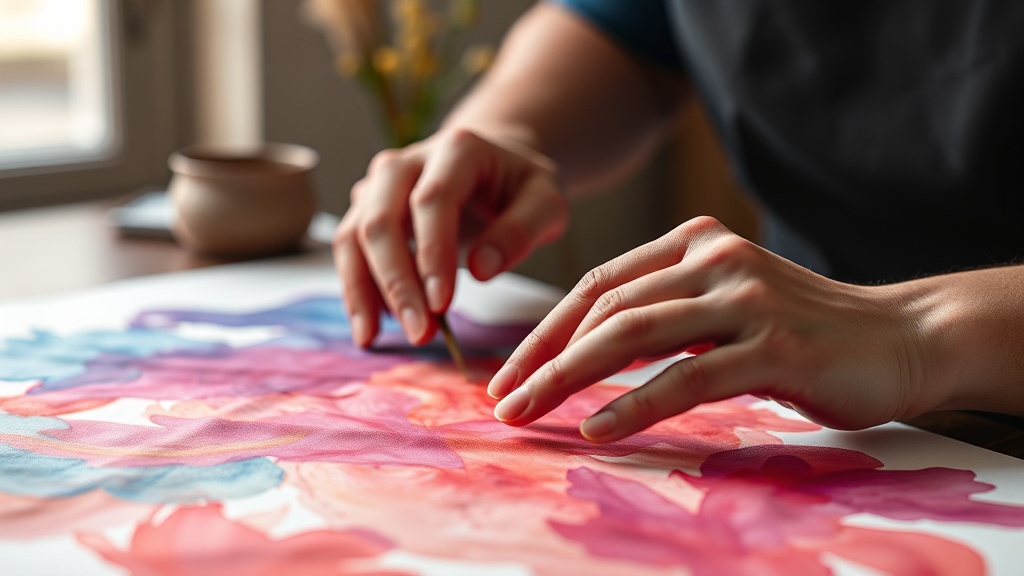
How to Make Your Own Hand-Dyed Watercolor Paper

Have you ever found the perfect color palette in a professional watercolor set, only to realize it looks completely different once it hits a standard white sheet of paper? Creating your own hand-dyed watercolor paper allows you to control the base tone of your work, ensuring that your pigments interact with a surface that is already color-matched to your vision. This guide provides a technical walkthrough for dyeing high-quality cotton rag paper using botanical and synthetic methods to create a custom substrate for your art.
The Science of Dyeing Paper
Paper is composed of cellulose fibers, which are highly absorbent and capable of holding pigment if the dye is applied correctly. When you dye paper, you are not just staining the surface; you are attempting to saturate the fibers so that the color remains consistent even when the paper is wet with watercolor washes. For the best results, you should use 100% cotton rag paper, such as Arches or Fabriano, because synthetic blends or wood-pulp papers often resist dye or become brittle when soaked.
There are two primary methods for hand-dyeing paper: the immersion method, where the paper is submerged in a dye bath, and the spray/brush method, where pigment is applied to the surface. The immersion method produces a more uniform, professional look suitable for full-sheet backgrounds, while the spray method creates organic, variegated textures. If you are looking to add depth to your work, you might also explore using coffee stains for vintage textures before applying your actual dye to create a layered, aged effect.
Essential Supplies and Materials
To ensure your paper remains functional for watercolor painting, you must use materials that do not compromise the paper's ability to absorb water. Avoid using heavy oils or waxes, as these will create a "resist" that prevents your watercolor from sticking.
Equipment List
- High-quality Cotton Paper: 140lb (300gsm) or 300lb (640gsm) cold press paper is ideal.
- Large Shallow Basin: A plastic tub or a large baking dish that can hold your paper sheets flat.
- Dyeing Agent: This can be liquid fabric dye (like Rit), botanical dyes (onion skins, turmeric, or tea), or even highly concentrated liquid watercolors.
- Tongs or Slotted Spoon: To lift the paper without introducing excessive wrinkles.
- Absorbent Blotting Paper: Unbleached heavy paper towels or professional blotting paper.
- Weight/Press: A heavy book or a flat board to keep the paper flat during the drying process.
Method 1: The Full Immersion Technique
The immersion technique is best for creating a consistent, solid color base. This is particularly useful if you want to move away from stark white and toward a "warm" or "cool" toned paper that complements your specific color palette.
Step 1: Preparing the Dye Bath
If you are using synthetic dyes like Rit, follow the package instructions for a "dye bath." You will need to heat the water to a specific temperature (usually near boiling) to activate the dye molecules. If you are using a botanical method, simmer your organic material—such as dried hibiscus flowers for a soft pink or turmeric for a deep yellow—in water for at least 30 minutes before straining the liquid. The liquid must be clear of any solid particles to avoid spotting on your paper.
Step 2: Pre-Wetting the Paper
Before the paper touches the dye, dip it in a basin of clean, lukewarm water. This is a critical step. If you put dry paper into a concentrated dye bath, the edges will absorb the pigment much faster than the center, resulting in a dark, unsightly "tide line." Pre-wetting ensures the dye travels through the fibers evenly.
Step 3: The Immersion Process
Lay the damp sheet of paper into the dye bath. Use your tongs to gently submerge it. For a light tint, 30 to 60 seconds is usually sufficient. For a deeper saturation, you may need to leave it for 3 to 5 minutes. Watch the color closely; the paper will look much darker while wet than it will once it is completely dry.
Step 4: Rinsing and Blotting
Lift the paper carefully using the slotted spoon. Rinse it under a gentle stream of cool water to remove excess dye that hasn't been absorbed. Lay the paper on a flat surface covered with absorbent blotting paper. Place another piece of blotting paper on top and apply a weight (like a heavy book) to ensure the paper dries flat. If you do not use weight, the paper will likely "cockle" or warp significantly as the water evaporates.
Method 2: The Variegated Texture Technique
If you prefer a more organic, painterly look with natural shifts in color, the spray or brush method is superior. This creates a "hand-made" aesthetic that mimics the look of expensive, artisanal papers.
Step 1: Applying the Pigment
Instead of submerging the paper, you will apply the dye to the surface of a dry or slightly damp sheet. You can use a wide, soft brush to "dab" concentrated dye onto the paper, or use a spray bottle filled with a diluted dye solution. For a more controlled application, use a sea sponge to create soft, nebulous shapes of color.
Step 2: Creating Depth
To create depth, apply a light layer of color, let it dry partially, and then apply a more concentrated version of the same color in certain areas. This creates a sense of dimension. For example, if you are using a tea-based dye, you can use a very strong brewed tea for the "shadow" areas and a weak tea for the "highlight" areas. This technique is excellent for artists who want to experiment with loosening up their sketches by working on a surface that already has movement.
Troubleshooting Common Issues
Even with careful planning, dyeing paper can present technical challenges. Here is how to handle the most common problems:
Problem: The Paper is Warped or Buckled
Solution: This is almost always caused by uneven drying or lack of weight. To fix this, once the paper is 90% dry, place it between two sheets of heavy-duty blotting paper and put a heavy weight on top. For extreme cases, you can "re-wet" the paper slightly with a fine mist of water and repeat the pressing process.
Problem: The Color is Streaky or Uneven
Solution: Streaks occur when the dye settles in one area before the paper is fully saturated. To prevent this, ensure you pre-wet the paper thoroughly and stir your dye bath constantly during the immersion process. If using the brush method, use long, sweeping strokes rather than short, jagged ones.
Problem: The Surface is "Non-Absorbent" for Watercolor
Solution: If your watercolor beads up on the dyed paper, you have likely used a dye that contains an oil-based or synthetic binder that is too heavy. Stick to water-based dyes or highly diluted botanical extracts. If this happens, you can try to "scuff" the surface very lightly with a fine-grit sandpaper, though this is not recommended for high-end cotton paper.
Final Tips for Success
When working with hand-dyed paper, remember that the paper is now a part of your composition, not just a background. A deep indigo-dyed paper will make bright yellows and oranges pop, while a soft peach-toned paper will mute cool blues. Always test a small scrap of your paper with your intended watercolor palette before committing to a full piece of art. This allows you to see how the pigment interacts with the dyed fibers and ensures your final work achieves the professional look you are aiming for.
Steps
- 1
Prepare your pulp and dye bath
- 2
Blend your recycled paper scraps into a fine slurry
- 3
Frame and dip the pulp into the dyed water
- 4
Press and dry your handmade sheets