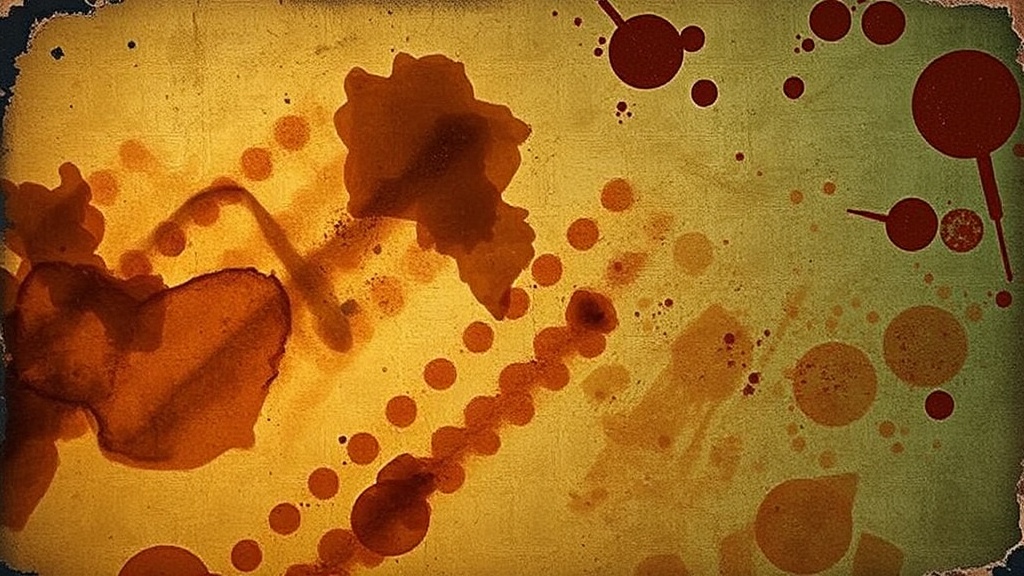
6 Ways to Use Coffee Stains for Vintage Textures

The Subtle Wash Method
Controlled Splatter and Drips
Stencil and Silhouette Staining
The Salt and Coffee Texture Mix
Layering with Concentrated Espresso
Creating Edge Aging Effects
A ring of dried, sepia-colored liquid sits at the bottom of a ceramic mug, leaving a jagged, uneven crust against the white porcelain. This residue, often discarded immediately after a morning routine, is actually a versatile tool for artists looking to add depth and history to their work. Using coffee stains allows you to introduce organic, unpredictable textures that mimic the look of aged parchment, weathered stone, or antique textiles. This guide explores six practical methods to transform leftover coffee into professional-grade vintage textures for your art journals, mixed media pieces, and scrapbooking projects.
1. Creating Aged Parchment Backgrounds
The most common use for coffee staining is to transform bright, sterile white paper into something that looks like a centuries-old manuscript. This technique is ideal for bullet journal spreads where you want a "dark academia" aesthetic or for creating backdrops for calligraphy.
To achieve a consistent aged look, use a wide, flat paintbrush or a large sponge. Instead of dipping the paper into a tray of coffee, which can cause the fibers to buckle, apply the liquid in layers. Start with a light wash of diluted instant coffee using a Winsor & Newton watercolor brush. Once the first layer is nearly dry, apply a second, more concentrated layer specifically to the edges of the paper. This creates a "burnt" effect where the pigment is darkest at the perimeter. For a more dramatic, uneven look, use a spray bottle to mist the coffee over the surface, allowing gravity to pull the pigment into natural drips and pools.
If you are working on heavy-duty paper, keep in mind why your watercolor paper keeps warping when wet. To minimize this, use a heavy watercolor paper like Arches 140lb and ensure it is taped down to a wooden board or a flat surface with masking tape before you begin the staining process. Once the paper is completely dry, you can lightly singe the edges with a lighter for an even more authentic antique appearance.
2. Using Coffee Splatters for Mixed Media Texture
In mixed media art, controlled chaos is often the goal. Coffee splatters provide a much more organic and nuanced texture than standard acrylic paint splatters because the pigment particles are uneven and the liquid dries with a varying translucency.
To execute this, prepare a concentrated solution of dark roast coffee in a small jar. Use a stiff-bristled brush, such as a Princeton synthetic brush, or even an old toothbrush. Dip the bristles into the coffee and flick the brush toward your canvas or paper. For a more controlled "splat," drop a single bead of coffee from a pipette or a dropper onto the surface. The liquid will spread outward in a radial pattern, creating a "halo" effect of lighter pigment around a dark center. This is particularly effective when layering over dried acrylic paint or gouache to add a sense of grit and history to a piece.
3. Building Depth with Coffee Wash Layers
Coffee can function similarly to a watercolor wash, but with a warmer, more muted color palette. This is useful when you want to add shadows or tonal depth to a drawing without the harshness of black ink or heavy pigments.
When layering washes, work from light to dark. Start with a very diluted, tea-like consistency to lay down a base tone. While the paper is still slightly damp, add more concentrated coffee to specific areas to create "blooms." A bloom occurs when a more concentrated liquid meets a damp area, causing the pigment to settle into the fibers in an unpredictable way. This technique is excellent for creating the look of shadows in a botanical illustration or the weathered texture of an old stone wall. If you find the color is becoming too flat, try adding a tiny pinch of salt to the wet coffee wash; the salt will absorb the moisture and create small, starburst-like textures as it dries.
4. Creating Coffee "Decal" Transfers
You can use coffee to create organic shapes that mimic the look of old botanical specimens or pressed flowers. This involves using the coffee as a staining agent for thin, translucent materials like tissue paper or vellum.
Take a sheet of white tissue paper and lay it flat on a non-porous surface. Using a dropper, place small amounts of highly concentrated coffee onto the tissue. As the liquid spreads, it will create irregular, translucent shapes. Once the tissue is completely dry, you can layer it into your art journals or use it as a base layer for a collage. Because tissue paper is so thin, the coffee stains will appear to melt into the paper, creating a seamless, vintage look. This method works exceptionally well when paired with found objects in mixed media, such as dried leaves or vintage stamps, to build a cohesive, layered composition.
5. Developing "Coffee Rings" for Graphic Interest
Sometimes, the goal isn't a full-page texture, but rather a subtle, intentional mark. Coffee rings—the circular stains left by the bottom of a mug—can be used as graphic elements in a layout or as a way to frame a specific piece of text in a journal.
To do this effectively, use different types of mugs. A ceramic mug will leave a different ring than a paper coffee cup or a glass tumbler. The texture of the rim dictates the shape of the stain. For a more controlled "graphic" ring, use a circular object like a stencil or a coin as a guide, but do not trace it perfectly. Instead, dip the edge of a mug directly into a pool of coffee and lift it vertically to ensure a clean, circular transfer. These rings can be used to add a sense of "lived-in" realism to a scrapbooking page or to act as a subtle frame for a small sketch or a handwritten note.
6. Tinting Fabric for a Vintage Aesthetic
If your art involves textile elements—such as fabric scraps for a collage or a small fabric-based journal cover—coffee is an excellent natural dye. Unlike synthetic dyes, coffee produces a soft, muted tan that looks authentically aged.
To tint fabric, you will need a large pot and a high concentration of coffee. Use instant coffee for a more predictable, even color, as it dissolves completely and won't leave large granules. Submerge your fabric (cotton or linen works best) into the hot coffee solution. For a more variegated, "distressed" look, do not submerge the entire piece at once. Instead, dip sections of the fabric into the liquid or use a sponge to apply the coffee unevenly. This creates a "gradient" or "ombre" effect that mimics the way fabric naturally stains over time. After the fabric has reached the desired color, rinse it in cool water and hang it to dry. This adds a tactile, historical dimension to your mixed media projects.
"The beauty of using coffee in art lies in its imperfection. Unlike a tube of professional paint, coffee is unpredictable, and it is in that unpredictability that the most interesting textures are born."
Pro-Tips for Working with Coffee
- Consistency is Key: If you want a dark, heavy stain, use instant coffee granules with very little water. For a light, subtle wash, use a highly diluted drip coffee.
- Avoid Mold: Since coffee is an organic substance, it can eventually mold if it is trapped between layers of non-porous material. Ensure your paper or fabric is 100% dry before sealing it into a journal or under a layer of Mod Podge.
- Test Your Paper: Different paper weights react differently to moisture. Always perform a small test patch on a scrap of the same paper to see how much the liquid will spread and how much the color will darken once dry.
- Layering with Ink: If you are using waterproof pens like Sakura Pigma Micron, you can draw your designs first and then apply the coffee wash over the top. The waterproof ink will remain crisp, while the coffee adds a vintage backdrop.