Creating Depth with Layered Mixed Media Textures
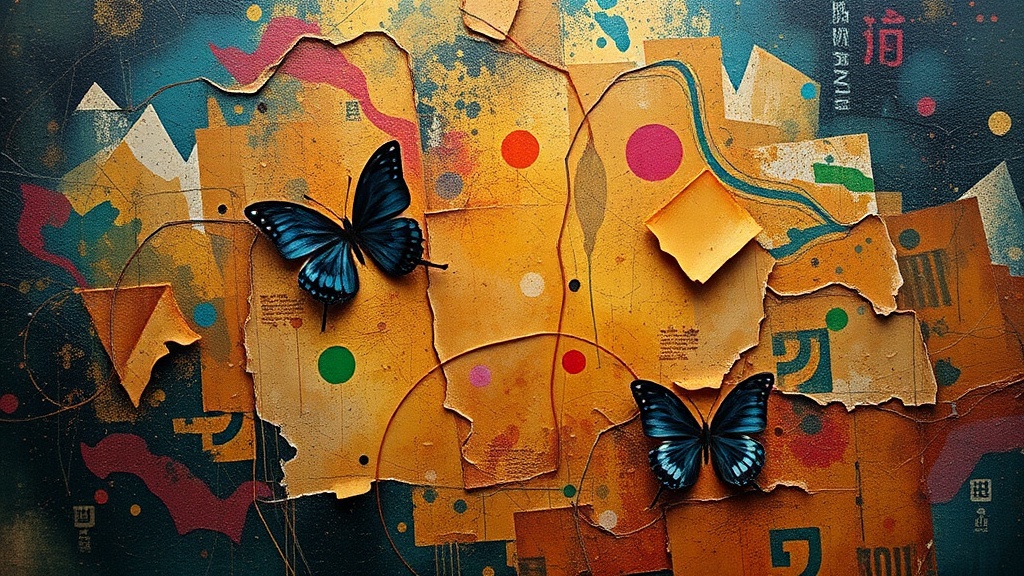
Studies in visual perception show that the human eye is naturally drawn to surfaces with physical relief and varied light refraction. This post explores the technical application of layered mixed media—specifically using acrylic mediums, collage-based ephemera, and textural pastes—to build physical depth on a flat surface. We'll look at how to control the way light hits your artwork through layering techniques that move beyond simple paint application.
What Are the Best Materials for Creating Texture?
The best materials for texture involve a combination of heavy-body acrylics, modeling pastes, and various organic or synthetic additives. You shouldn't just rely on paint alone; you need substances that hold their shape once they dry. For example, Golden Acrylics offers a wide range of modeling pastes that allow you to build height without the surface cracking. If you want a more organic feel, you might look toward even more specialized mediums.
Texture isn't just about "thick paint." It's about the interaction between the substrate and the medium. If you're working on a thin piece of paper, you'll need to be careful. A heavy layer of modeling paste can cause cheap paper to buckle (which is a nightmare for anyone who loves a clean, organized workspace). Use a heavy-weight watercolor paper or a wooden panel if you plan on building significant relief.
Here is a quick breakdown of common texture-building materials:
| Material Type | Effect Produced | Best For |
|---|---|---|
| Modeling Paste | High relief, structural thickness | Creating sculptural elements |
| Modeling Gel | Translucent, raised texture | Layering over color without obscuring it |
| Sand or Grit | Gritty, organic, matte texture | Adding tactile sensations to backgrounds |
| Collage Elements | Flat, varied surface interest | Adding unexpected patterns and shapes |
I often find that my most successful pieces come from a "controlled mess" approach. You might start with a base layer of heavy-body acrylic, then add a layer of modeling paste mixed with a bit of fine sand. This creates a foundation that feels much more substantial than a standard flat wash.
How Do You Layer Mixed Media Without Making It Look Muddy?
To avoid muddy colors, you must ensure each layer is completely dry and use translucent mediums to maintain color clarity. If you layer wet-on-wet with highly pigmented paints, the colors will blend into a dull gray or brown. Instead, think of your work as a series of transparent veils. This is where the concept of "glazing" becomes your best friend.
One way to keep your colors vibrant is to use a matte or gloss medium between layers. This allows you to add a texture—like a piece of torn vintage paper or a scrap of fabric—and then "seal" it with a layer of transparent acrylic. This keeps the new texture from looking like it's just sitting on top of the art, but rather part of it. It integrates the element into the piece.
If you find your colors are becoming too heavy, try these steps:
- Work from dark to light: Start with your darkest, most structural elements.
- Use transparent layers: Use highly pigmented, transparent colors rather than opaque ones for top layers.
- Check your drying time: Never add a wet layer over a damp one if you want to maintain distinct edges.
- Test your transparency: Use a small scrap of paper to see how a color looks when a layer of gel is applied over it.
It's also helpful to think about the weight of your materials. If you've already spent a lot of time on your initial composition, you might want to fix your composition with the rule of thirds before adding heavy textures. Once you add a thick layer of paste, it's very hard to move things around. You're essentially committing to that placement.
Sometimes, I get a bit too carried away with the texture. I'll add so much paste that the piece feels heavy and unbalanced. If that happens, I take a step back. I look at the piece from a distance to see if the texture is actually helping the focal point or if it's just distracting from it. A little goes a long way—trust me on this one.
How Can You Use Found Objects for Texture?
Found objects can be used as "stamps" or "stencils" to create repetitive, rhythmic textures on your surface. Instead of buying expensive textured stencils, look around your house or your studio for items with interesting edges. Old lace, torn cardboard, or even the texture of a dried leaf can provide a unique visual interest that a standard brush cannot mimic.
The trick is in the way you apply the medium. You can press a textured object into a thick layer of modeling paste, then lift it away to leave a "negative" impression. This creates a beautiful, sunken texture that feels very intentional. It’s a great way to add detail without adding much actual height to the piece.
Here are a few ideas for found-object textures:
- Fabric Scraps: Use old lace or textured linen to create a subtle, patterned base.
- Kitchen Items: A fork or a comb can be dragged through thick paint to create rhythmic lines.
- Natural Elements: A single leaf or a piece of bark can be used to "stamp" a natural texture into a wet layer of gel medium.
- Paper Scraps: Torn edges of newsprint or old book pages add a "vintage" feel and a slight physical bump to the surface.
When using these items, remember that the goal is to add interest, not just clutter. I like to use these objects to create a "background rhythm." This provides a base for the more important parts of the painting to sit upon. It's a way of building a foundation that feels rich and lived-in.
If you're worried about your work looking too "busy," try using a single color for these textures. For example, you could use white modeling paste over a blue-toned background. This keeps the texture visible through light and shadow, rather than through color change. It’s a more sophisticated way to build depth.
Texture can also be used to direct the viewer's eye. A smooth, flat area of color will naturally feel "quiet," while a rough, textured area will feel "loud." You can use this to highlight your focal point. If your subject is a delicate flower, perhaps the background is a rough, gritty texture that makes the smoothness of the petals pop. This is a classic technique for a reason—it works.
Before you start, I highly recommend sketching out your plan. If you're feeling stuck, you can look at my previous post on mapping your creative projects visually. Having a plan for where the "heavy" and "light" areas go will prevent you from accidentally burying your best work under a mountain of modeling paste.
Working with mixed media is a bit like organizing a workspace. You need a system. If you just throw everything at the canvas at once, you'll end up with a mess. But if you layer with intention—building from the ground up, watching your drying times, and keeping your colors clear—you'll create something truly tactile and striking.
Steps
- 1
Prepare Your Base Layer
- 2
Add Structural Elements with Collage
- 3
Build Texture with Modeling Paste
- 4
Apply Color and Ink Washes
- 5
Seal and Protect Your Work