7 Unusual Ways to Use Found Objects in Your Mixed Media

Textural Coffee Filters
Vintage Postage and Ephemera
Organic Elements from Nature
Discarded Textiles and Thread
Hardware and Metal Scraps
Old Book Pages and Text
Plastic and Synthetic Scraps
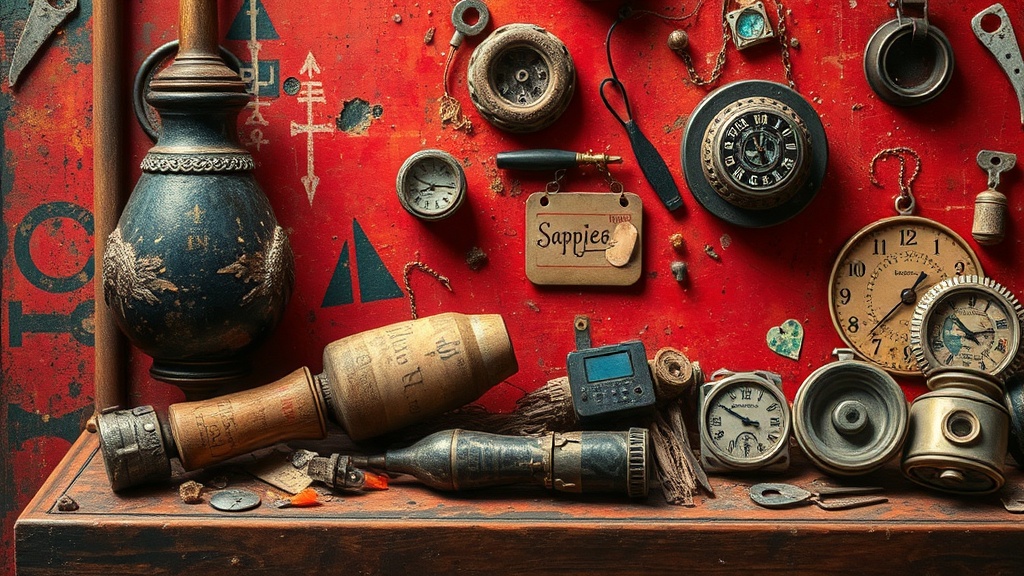
Have you ever looked at a pile of junk in your junk drawer and wondered if it could actually become art? Mixed media is all about breaking the rules of traditional materials to find texture and depth where others see waste. This post explores seven unconventional ways to use found objects—from hardware to old textiles—to add physical and visual interest to your work. By repurposing everyday items, you can build pieces that have a tactile quality a simple paintbrush can't achieve.
What Are the Best Found Objects for Mixed Media?
The best found objects for mixed media are items with distinct textures, shapes, and varying levels of durability that can withstand adhesives or paint. You aren't just looking for "stuff"; you're looking for structural elements that change how light hits your canvas. Think about things like rusted washers, scraps of lace, or even dried botanical elements.
When selecting items, consider the weight of your base material. If you're working on a thin sketchbook page, a heavy metal bolt might tear the paper. If you're working on a heavy-duty canvas, you have much more freedom. (Pro tip: always test a small scrap of your base material with your intended glue before committing to the whole piece.)
1. Hardware and Industrial Scraps
Metal hardware like washers, nuts, and bent nails adds a gritty, industrial feel to an artwork. These items create real shadows on your surface, which is a great way to create depth with layered mixed media textures. A single rusted washer can anchor a composition, providing a focal point that feels grounded and heavy.
To use these effectively, you might use a strong adhesive like E6000. Just be careful with the application—too much glue can look messy and ruin the aesthetic. You want the hardware to look intentional, not like it was accidentally dropped onto the page.
2. Old Textiles and Fabric Scraps
Fabric isn't just for sewing; it's a powerhouse for texture. Torn edges of linen, frayed denim, or even old lace can change the entire mood of a piece. Lace provides a delicate, intricate pattern, while heavy canvas scraps offer a rugged, tactile surface.
Try layering different weights of fabric. A piece of silk underneath a heavy piece of burlap creates a beautiful tension between soft and rough. This is a great way to experiment with how light interacts with different surfaces.
How Do I Prepare Found Objects for Painting?
You prepare found objects for painting by cleaning them thoroughly and applying a suitable primer to ensure paint adheres to the surface. Most found objects—especially non-porous ones like plastic or metal—require a base layer to prevent the paint from peeling or sliding off.
Here is a quick reference for how to prep common found objects:
| Object Type | Preparation Step | Recommended Base |
|---|---|---|
| Metal (Washers, Nails) | Remove rust/oil with vinegar or alcohol | Gesso or Acrylic Primer |
| Plastic (Buttons, Beads) | Clean with soap and water | Texture Paste or Gesso |
| Fabric (Lace, Scraps) | Iron to flatten and remove fraying | Acrylic Matte Medium |
| Wood (Twigs, Bark) | Ensure it is completely dry | Heavy-body Gesso |
3. Dried Botanicals and Organic Matter
Nature provides some of the most complex textures imaginable. Dried leaves, pressed flowers, or even small twigs can bring a sense of time and decay to your art. These organic elements work beautifully in a "memento mori" style or a more naturalistic, earthy composition.
Since organic matter is fragile, you'll want to seal it. A clear matte medium or a spray fixative can help prevent the items from crumbling over time. If you don't seal them, they might eventually break apart and ruin your work. It's a risk, but a worthwhile one for the texture they provide.
4. Paper Ephemera and Old Documents
Old letters, vintage maps, or even old sheet music add a sense of history and narrative. These items are wonderful for building layers. You can tear them, burn the edges, or fold them to create new shapes. Using paper ephemera is a great way to practice mapping your creative projects visually by using text to guide the viewer's eye.
Don't be afraid to use a heavy hand with the ink or paint over these papers. Sometimes, the way the ink bleeds into the old paper fibers creates a stunning, unintentional effect.
Can I Use Kitchen Scraps in Art?
Yes, you can use certain kitchen-related items like coffee grounds, tea bags, or even dried spices to add organic texture and staining effects to your work. These materials are excellent for creating a "distressed" or vintage look through natural staining.
For example, a used tea bag can be a perfect tool for staining a piece of paper to make it look aged. Coffee grounds can be mixed into acrylic gel medium to create a gritty, sandy texture that looks like soil or stone. Just remember that organic matter can mold if it stays too damp, so ensure your base is completely dry before adding these elements.
5. Plastic Packaging and Found Plastics
Plastic packaging—think of the clear, crinkly stuff from electronics or the textured plastic from food containers—is an underrated tool. When layered under a thin wash of paint, these plastics can mimic the look of glass or ice. They add a modern, almost synthetic edge to a piece that might otherwise feel too "organic."
A piece of textured bubble wrap can also be used as a stamp. Apply paint to the bubbles and press it onto your surface for a consistent, repetitive pattern. It's a quick way to add a professional-looking texture to a background.
6. Old Jewelry and Charms
Jewelry adds a sense of luxury and detail. A small gold charm or a broken earring can serve as a brilliant focal point. These objects are often highly detailed, which draws the viewer's eye inward. They work exceptionally well in a more structured, collage-style composition.
Since jewelry is often metal, you'll want to ensure it's securely fastened. A heavy-duty glue or even a small dab of epoxy works best. You don't want a beautiful piece of art to lose its "jewel" if it's tilted or moved.
7. Thread and String
Thread and string offer a way to bridge the gap between 2D and 3D. You can stitch directly into thick paper or canvas to create "drawn" lines that have actual physical presence. This is a wonderful way to add movement to a piece. A single thread can act as a subtle line or a bold, sculptural element.
If you're working on a more standard paper surface, you can use thread to create "relief" by gluing it down with a thick gel medium. This makes the thread look like it's part of the paper itself, rather than just sitting on top. It's a subtle but effective way to add a sense of craftsmanship.
The beauty of found objects is that they force you to see the world differently. A discarded piece of wire isn't just trash; it's a potential line in your next composition. A scrap of lace isn't just a remnant; it's a window into a different texture. Keep your eyes open and your junk drawer organized—you never know what might inspire your next piece.