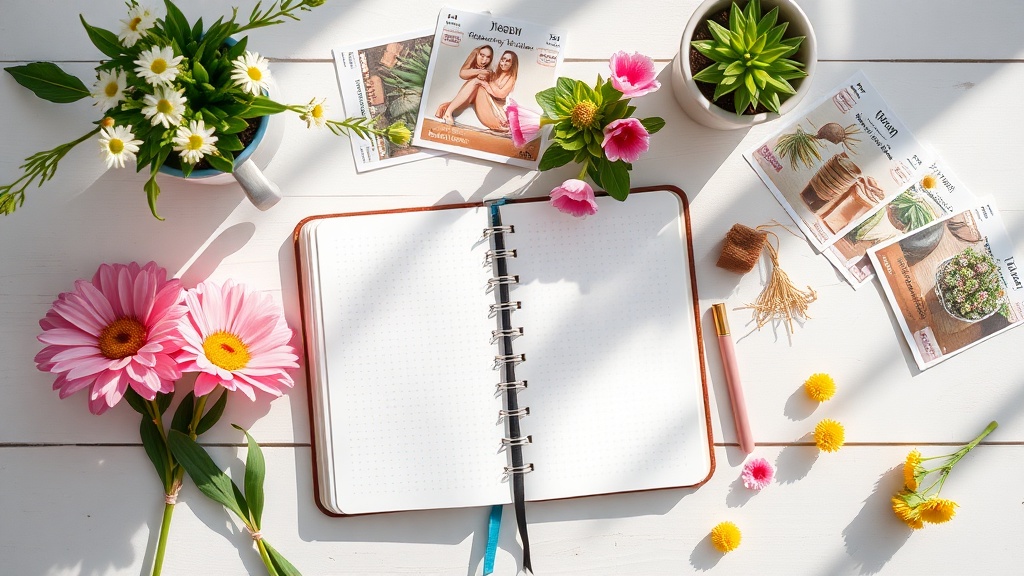
Spring Garden Journal: Layouts for Planting & Tracking

Ever wish your garden could grow as predictably as your favorite bullet journal spreads? This spring, you can make that happen by turning your planting plans into a beautiful, functional garden journal.
Gardening isn’t just about soil and sunshine—it’s a proven booster for mental health, longevity, and sustainable living. The latest 6 Pillars of a Healthier, Age‑Defying Lifestyle in 2026 highlight gardening as a core habit for wellness. By integrating garden tracking into your bullet journal, you’ll get the organization you love and the green thumb you’ve been dreaming of.
What Is a Garden Journal and Why Use a Bullet Journal for It?
A garden journal is a dedicated place to record planting dates, seed varieties, soil amendments, weather notes, and harvest yields. When you use the bullet journal method, you gain rapid indexing, flexible collections, and the visual appeal of hand‑drawn spreads that keep you motivated throughout the growing season.
How Can I Set Up My Garden Journal in a Few Simple Steps?
1. Choose the Right Notebook and Layout
Pick a dotted or grid notebook that feels good in your hands—Lina swears by a 200‑page, soft‑cover dot grid. Decide whether you want a single notebook for the whole year or a seasonal split (Spring & Summer in one, Fall & Winter in another).
2. Create Your Core Collections
- Planting Calendar: A month‑by‑month spread where you log seed sowing, transplant dates, and expected harvest windows.
- Seed Inventory: Index cards or a table that tracks seed source, germination rate, and storage conditions.
- Soil & Fertilizer Log: Quick bullets for pH, amendments, and watering schedules.
- Harvest Tracker: A habit‑style table to note yields, taste notes, and what you’ll re‑plant next year.
3. Add Visual Elements
Use washi tape, watercolor swatches, or tiny pressed flowers to make each spread a mini‑art piece. Visual cues help you locate information at a glance—think color‑coded sections for vegetables, herbs, and flowers.
What Layouts Work Best for Garden Planning?
Seasonal Overview Spread
Draw a simple calendar grid for March‑June. Mark key tasks (soil prep, seed starting, hardening off) with icons. This gives you a quick visual of what’s coming up.
Weekly Planting Log
Use a “Rapid Logging” style: • Task – Plant – Location – Notes. Check off each task as you complete it, and migrate any unfinished items to the next week.
Harvest & Reflection Page
At the end of each month, fill out a table: Crop | Yield | Rating (1‑5) | What I’d Change. This habit‑tracking approach mirrors the habit‑tracking post that helped many readers stay consistent.
How Do I Keep My Garden Journal Sustainable?
Reuse paper whenever possible—print plant tags on recycled cardstock, and compost any torn pages. Digital backups are handy: scan each spread monthly and store it in a cloud folder. This way you have a record for future seasons without losing the tactile joy.
What Are the Wellness Benefits of Combining Gardening with Bullet Journaling?
Studies show that regular gardening reduces cortisol by up to 30% and improves mood (Harvard Health Publishing, 2025). Pair that with the mindfulness of bullet journaling, and you create a double‑dose of stress relief. Track your feelings alongside plant growth to see the correlation—your journal becomes a personal wellness dashboard.
How Often Should I Update My Garden Journal?
Ideally, make quick entries after each garden activity (watering, fertilizing, pruning). Reserve a longer “Sunday Review” to log observations, adjust upcoming tasks, and reflect on what’s thriving. Consistency keeps the journal useful and the garden thriving.
What Tools and Supplies Do I Need?
- Bullet journal notebook (dot grid, 200‑page)
- Fine‑tip pens or brush pens for lettering
- Washi tape in pastel spring colors
- Plant tags (recycled cardstock works great)
- Reference guide – Royal Horticultural Society planting calendar
- Soil test kit – USDA Soil Health Toolkit
What’s My Next Step?
Grab your bullet journal, sketch a quick Spring Garden Overview spread, and start logging today. Your garden will thank you, and your mind will feel more grounded.
Related Reading
- The 6 Pillars of a Healthier, Age‑Defying Lifestyle in 2026 – How gardening fits into a longevity‑focused routine.
- Bio‑Harmony Spring Routine – Syncing your journal with natural rhythms.
- Habit Tracking in Bullet Journal – Turn garden habits into measurable progress.