Finding Rhythm in the Messy Middle of Mixed Media
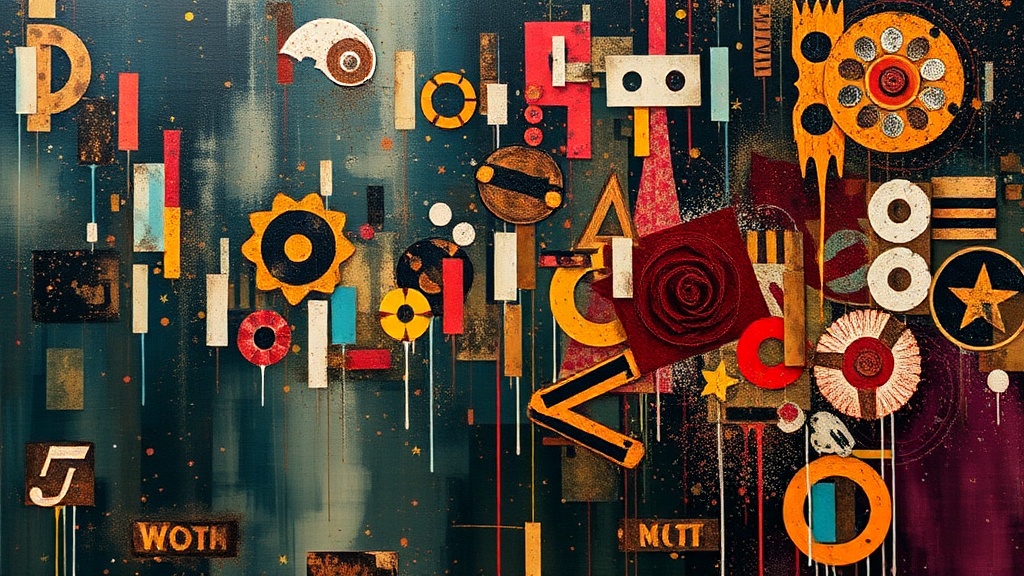
Imagine sitting before a canvas that looks less like a masterpiece and more like a chaotic collision of dried acrylic paint, frayed edges, and stray ink splatters. You had a clear vision—a serene landscape or a structured geometric pattern—but the layers refuse to cooperate. The glue is peeling, the watercolor is bleeding into a muddy brown, and the texture feels heavy rather than intentional. This is the "messy middle" of a mixed media project. It's that specific point in the creative process where the initial excitement wanes and the technical-structural reality of your materials takes over. Understanding how to manage these layers isn't just about fixing mistakes; it's about knowing when to lean into the chaos and when to impose order through structure.
Working with disparate materials like heavy-body acrylics, thin washes of ink, and tactile elements like fabric or torn paper requires a shift in mindset. You aren't just painting; you're building. If you treat a mixed media piece like a single-medium painting, you'll likely end up frustrated when the textures don't behave. Instead, think of it as a construction project where every layer serves a different functional purpose—some provide a base, others provide friction, and some provide the final visual punch.
Why do mixed media layers sometimes look muddy?
The most common culprit for a muddy appearance is the improper mixing of oil and water-based mediums. If you apply a water-based watercolor wash directly over an oil-based oil pastel or wax crayon, the watercolor will bead up and slide off, creating a mess that looks unintentional. This lack of adhesion breaks the visual flow and makes the artwork feel disjointly assembled. To prevent this, always follow the rule of compatibility: water-based media (watercolor, gouache, acrylic) should generally go under oil-based media (oil pastels, wax crayons, or oil paint).
Another reason for a dull or muddy finish is overworking the surface. When you keep blending and blending, you're essentially stirring the pigments together into a singular, lifeless gray or brown. If you find yourself doing this, stop. Instead of trying to blend your way out of a mistake, try adding a new, opaque layer. A thin layer of white gesso or a heavy-body acrylic can act as a "reset button," providing a fresh surface to work on without losing the ghost of the previous texture. You can check the properties of different mediums through resources like the Liquitex website to ensure your materials are compatible.
Managing Texture and Weight
When working with heavy-body gels or modeling pastes, the weight of the material becomes a factor in how the piece feels. A heavy, textured surface creates a sense of physical presence, but if it's too thick, it might crack or peel if not properly prepared. You might want to experiment with different types of mediums to see how they react to your brushes. A light wash provides a sense of air and space, while a thick impasto stroke demands attention and creates shadows on the page.
- Transparent Layers: Use these to create depth without obscuring the details underneath.
- Opaque Layers: These are perfect for hiding "mistakes" or establishing a bold new direction.
- Textural Elements: Incorporating sand, fabric, or even coffee grounds can change the tactile experience of the work.
How can I organize my art supplies for better workflow?
A cluttered workspace often leads to a cluttered mind, especially when you're dealing with multiple mediums that require different cleaning protocols. I find that treating my supplies like a project management task helps keep the creative momentum high. Instead of a large, singular bin, try categorizing your tools by their drying time and their chemical base. Keep your water-based tools (brushes, watercolors, acrylics) in one zone and your dry or oil-based tools (pastels, charcoal, oil paints) in another. This prevents cross-contamination and makes cleanup much easier.
A well-organized kit also means you aren't constantly stopping your flow to find a specific tool. If you're in the middle of a delicate watercolor wash, the last thing you want is to realize your favorite fine-liner is tucked away in a different box. I recommend using clear, labeled containers for small items like beads, sequins, or dried botanicals. This way, you can see exactly what you have at a glance, allowing you to make decisions based on visual availability rather than searching through drawers.
The Importance of Surface Preparation
The surface you choose is the foundation of your art. A piece of thin watercolor paper might not be able to handle the weight of heavy acrylic gel or thick collage elements. If you're planning a piece with significant texture, you need a substrate that can withstand the stress. For heavy mixed media, consider using wood panels or heavy-duty canvas-wrapped boards. A sturdy surface prevents warping and provides the structural integrity needed for the multiple layers of glue and paint that follow.
What are the best ways to layer color without losing detail?
The goal of layering should be to build depth, not to bury your hard work. If you're finding that your final colors look flat, you might be using too much pigment and not enough transparency. A great way to add color while maintaining the detail of the bottom layers is to use transparent glazes. A glaze is a thin, translucent layer of paint that allows the shapes and colors beneath it to remain visible, though slightly altered in tone. This is a technique often used in classical oil painting, but it works beautifully with acrylics and even watercolors.
Try experimenting with different levels of opacity. Start with your most transparent layers and move toward your most opaque ones. This builds a sense of history in the piece, where the viewer can almost sense the layers beneath the surface. If you want to see more advanced techniques for color blending and layering, the Museum of Modern Art website often has deep dives into the historical methods used by great masters. Using these methods can help you move beyond simple-colored shapes into something with real dimensional complexity.
Ultimately, the "messy middle" is where the most interesting things happen. It's the space where you're forced to react to the medium rather than forcing the medium to react to you. Embrace the unpredictability. If a layer of paint drips or a piece of collage paper peels, don't see it as a failure. See it as a new piece of information that can guide your next move. The most beautiful parts of a mixed media piece are often the ones that weren't planned, but rather, the ones that were discovered through the process of layering and adjusting.