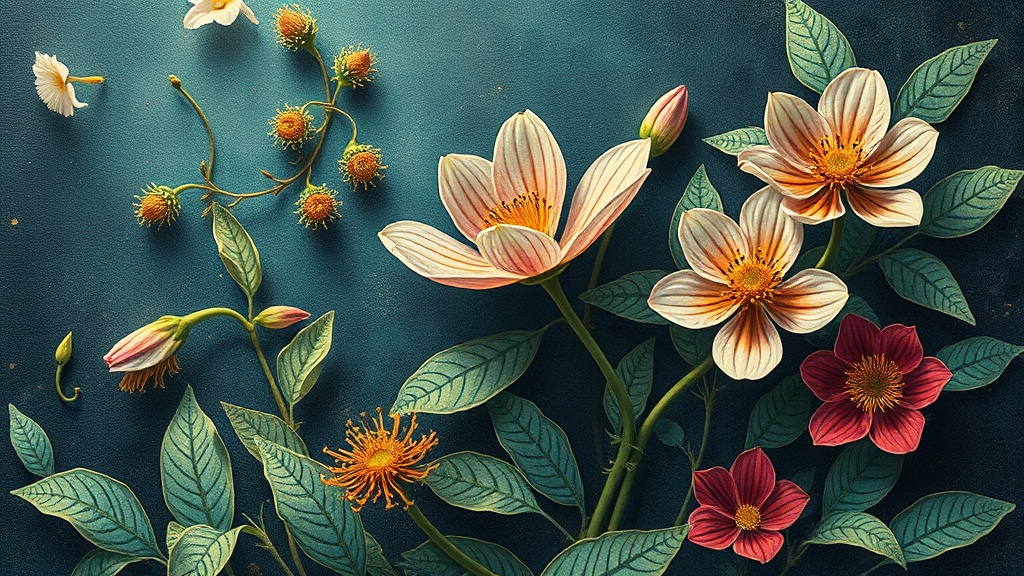
Exploring the Revival of Botanical Printmaking in Modern Art Studios

What This Post Covers (And Why Artists Should Pay Attention)
Botanical printmaking is experiencing a remarkable renaissance in contemporary art studios across the globe. This post explores how traditional techniques—cyanotype, eco-printing, and photogravure—are being reimagined by today's artists, what tools and materials actually deliver results worth framing, and where to find workshops and communities to get started. The revival isn't just nostalgia; it's a response to the growing demand for sustainable art practices and the unique aesthetic that only plant-based imagery can provide. Whether you're a seasoned printmaker looking to expand your practice or a curious beginner drawn to the intersection of nature and craft, this guide offers practical pathways into one of the most visually striking disciplines in modern visual arts.
What Is Botanical Printmaking and Where Did It Originate?
Botanical printmaking is the art of transferring plant material—leaves, flowers, seeds, bark—onto paper or fabric using various printmaking techniques. The practice dates back to the 19th century when Anna Atkins produced the first photographic book using cyanotype prints of British algae. She didn't set out to create an art movement; she was documenting species. Yet her work laid the groundwork for what would become a centuries-long fascination with botanical imagery.
The field encompasses several distinct approaches. Cyanotype creates those distinctive Prussian-blue images through the chemical reaction of iron salts and UV light. Eco-printing (sometimes called leaf printing or botanical contact printing) uses tannins and natural pigments in plant material, released through steaming or boiling, to leave impressions on protein fibers like silk and wool. Photogravure allows for photorealistic detail by etching a photographic image into a copper plate.
What's fascinating—really, genuinely fascinating—is how these techniques evolved from scientific documentation into fine art. Herbaria collections at institutions like the Natural History Museum in London originally served taxonomy. Now artists like Royal Academy exhibitors regularly incorporate actual pressed specimens into limited edition prints, blurring lines between specimen and artwork.
Why Are Contemporary Artists Returning to These Traditional Methods?
The short answer: sustainability meets aesthetic uniqueness. Botanical printmaking requires minimal toxic chemicals compared to traditional etching or lithography. Many practitioners work exclusively with found plant material—no purchasing expensive pigments or importing exotic woods. That appeals to environmentally conscious artists and collectors alike.
There's also the question of authenticity. In an era of digital reproduction, a cyanotype carries evidence of its making. You can see where the leaf curled slightly at the edge, where moisture created unpredictable blooming effects, where the artist's hand moved the brush unevenly across the paper. These aren't flaws. They're signatures.
The Dominican craft tradition—particularly the detailed botanical illustrations found in Caribbean herbal medicine books—influences many contemporary Latinx artists working in this space. (Lina's own abuela kept handwritten notebooks with pressed samples for remedies; those same compositional instincts appear in modern studio work.) That cultural lineage adds depth to what might otherwise be dismissed as merely decorative.
Workshop enrollment at centers like Penland School of Crafts and the Women's Studio Workshop has doubled for botanical printmaking courses since 2019. The pandemic accelerated interest in home-based, nature-connected practices. Artists discovered that you don't need a press, a studio rental, or even much space—just a sunny windowsill and some chemistry.
What Materials and Tools Do You Actually Need to Start?
Getting started costs less than a high-end sketchbook. Here's the practical breakdown:
| Technique | Basic Kit Cost | Key Suppliers | Learning Curve |
|---|---|---|---|
| Cyanotype | $25–$45 | Photographers' Formulary, Jacquard | Beginner-friendly |
| Eco-printing | $40–$80 | Dharma Trading, local foraged materials | Moderate (requires mordants) |
| Photogravure | $200–$500+ | Intaglio Printmaker, Takach Press | Advanced (studio access recommended) |
For cyanotype specifically, the Jacquard Cyanotype Set includes pre-measured chemicals that mix with water—no scale required. You'll also need natural fiber paper (Arches Platine or cheap watercolor paper both work), a foam brush, and a piece of glass to hold specimens flat during exposure. A simple contact frame made from two sheets of glass and binder clips suffices; no need for the vintage printing frames that sell for $80 on eBay.
Eco-printing demands more chemistry knowledge. Iron mordants (ferrous sulfate) shift colors toward grays and blacks. Aluminum potassium sulfate brightens and clarifies. Copper pipe pieces create greenish patinas. The variables are endless—which is exactly why artists love it. That said, beginners should start with premordanted silk scarves from Dharma Trading before attempting to mordant their own fabric. It's worth understanding the process before investing in stainless steel pots dedicated solely to art use.
Photogravure remains the most technically demanding. The process involves creating a gelatin tissue, exposing it to a positive transparency, adhering it to a copper plate, etching with ferric chloride, and printing on an etching press. Studios in Brooklyn, Oakland, and London offer rental press time for those without equipment. The results, however, justify the effort—photogravure botanicals have a tonal range that digital prints simply cannot replicate.
How Do Modern Studios Integrate Botanical Printmaking into Professional Practice?
Successful contemporary practitioners rarely work in isolation. The most interesting studios combine botanical printmaking with book arts, textile design, or installation work. Consider the approach of studios like Gravel & Gold in San Francisco, which sells cyanotype-printed textiles alongside their apparel line. Or look at artists like Tiffany Inglis, whose botanical photogravures appear in limited edition artist books sold through independent publishers.
The business model matters. Original cyanotypes sell at craft fairs for $40–$150 depending on size and complexity. Editioned photogravures command gallery prices—$300–$800 per impression. Teaching workshops often generates more reliable income than sales alone; many artists build sustainable practices through a combination of direct sales, wholesale to boutiques, and educational programming.
Documentation has become its own art form. Instagram and Pinterest reward the visual drama of botanical prints—the blue against white, the ghostly leaf skeletons, the unexpected color shifts. Studios that photograph their process (not just the finished work) build engaged communities. The hashtag #botanicalprintmaking has over 180,000 posts as of early 2025. That visibility translates to sales, workshop enrollments, and collaborative opportunities.
Worth noting: archival quality separates hobby work from professional practice. Cyanotypes are light-sensitive—display them behind UV-protective acrylic, not standard glass. Eco-prints on unmordanted fabric fade within months; properly mordanted and stored work lasts decades. Documentation matters for collectors. Artists should maintain records of paper type, chemistry batch, and plant species used.
Where Can You Learn Botanical Printmaking Techniques?
Formal education options have expanded significantly. The Mercer University continuing education program offers intensive weekend workshops. Haystack Mountain School of Crafts on Deer Isle, Maine runs summer sessions with housing included. For those seeking certification, the Guild of Book Workers includes botanical printmaking in their broader book arts curriculum.
Online learning works surprisingly well for this medium. Skillshare and Domestika courses cover the basics, though the hands-on nature of the craft benefits from in-person feedback. (How do you know if your cyanotype is underexposed versus underdeveloped? An experienced eye spots the difference immediately.) Many established artists offer Patreon tiers that include monthly video critiques of subscriber work—a middle ground between free tutorials and expensive workshops.
Community studios provide equipment access. Printmaking studios from Portland to Providence maintain open studio hours where members can use etching presses, exposure units, and darkroom facilities. Membership fees typically range from $50–$200 monthly. For artists without garage space or tolerant housemates, these shared resources make advanced techniques feasible.
Local foraging groups often intersect with printmaking communities. The same people who lead mushroom identification walks and native plant tours frequently know which leaves produce the strongest prints, which flowers hold color through the steaming process, and where to find sumac or eucalyptus (both eco-printing favorites) in urban environments. Cross-pollination between naturalists and printmakers strengthens both communities.
The revival of botanical printmaking represents something larger than technique. It's a reclaiming of slow craft in fast times—a deliberate choice to work with seasons, to accept imperfection, to let plant chemistry dictate outcomes. Modern art studios embracing these methods aren't looking backward. They're building new visual languages from ancient materials, one impression at a time.