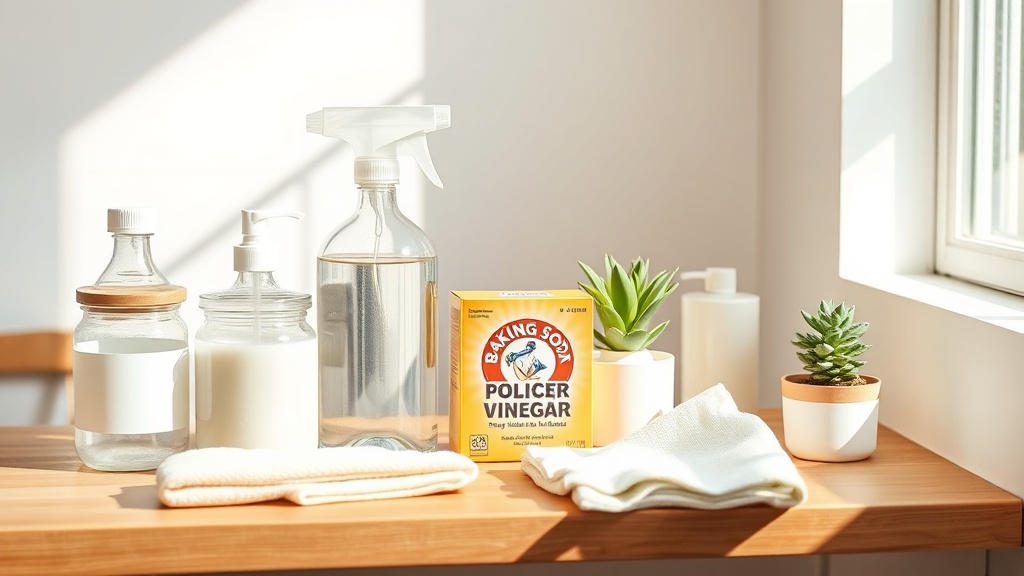
Eco-Friendly Spring Cleaning: Sustainable Swaps for a Greener Home

Ready to give your home a fresh start without filling the landfill? This spring, swap out the disposable cleaners for reusable, DIY solutions that sparkle your space and honor the planet.
Spring cleaning isn’t just about decluttering surfaces; it’s a chance to rethink the products you reach for every day. With the growing EPA’s greener‑cleaning guidelines and the Bio‑Harmony trend, you can clean smarter, save money, and dramatically reduce waste.
What are the biggest waste culprits in a typical spring clean?
Most of us grab a handful of single‑use spray bottles, paper towels, and chemical cleaners. Those items add up fast:
- Plastic spray bottles — up to 30 g of PET per bottle (often tossed after a few months).
- Paper towels — ≈ 2 kg of waste per household per year (EPA).
- Commercial cleaners — contain phosphates, synthetic fragrances, and other pollutants.
Which reusable products can replace the disposables?
Investing in a few durable tools pays off quickly:
- Reusable spray bottles (glass or BPA‑free HDPE) — refill with homemade solutions or eco‑friendly concentrates.
- Microfiber cloths — trap dust and grime without chemicals; wash and reuse dozens of times.
- Silicone scrubbers — gentle on surfaces, last for years.
- Compostable sponges (cellulose‑based) — break down naturally after use.
These items can be found at most zero‑waste stores or online retailers. For a quick starter kit, check out the budget‑friendly supplies guide we posted last month.
How can I make effective DIY natural cleaners at home?
Three pantry staples cover 90 % of your cleaning needs:
- White vinegar — cuts grease, dissolves mineral deposits, and deodorizes.
- Baking soda — gentle abrasive for scrubbing tubs, ovens, and grout.
- Castile soap — plant‑based surfactant for all‑purpose sprays.
Here’s a go‑to all‑purpose spray recipe (1 L):
1 cup white vinegar
1 cup distilled water
1 tbsp liquid castile soap
10‑15 drops citrus essential oil (optional)
Shake well, pour into a reusable spray bottle, and you’ve got a non‑toxic, biodegradable cleaner for counters, tiles, and glass.
Room‑by‑room eco‑friendly cleaning checklist
How do I tackle the kitchen without waste?
• Track your progress with a printable checklist.
• Use a microfiber cloth dampened with the vinegar‑castile spray for counters and appliances.
• Swap paper towels for a stack of washable cotton rags — keep a basket under the sink for easy access.
How do I freshen up the bathroom sustainably?
• Sprinkle baking soda on the tub, let sit 10 min, then scrub with a silicone scrubber.
• Mix equal parts vinegar and water in a spray bottle for mirrors and tile grout.
• Replace disposable toilet‑brush wipes with a washable silicone brush.
What’s the low‑waste approach for living areas?
• Dust with a dry microfiber cloth; for sticky spots, spray the all‑purpose mix and wipe.
• Rinse and reuse vacuum filters where your model allows.
• Rotate a scented sachet of dried lavender or cedar chips instead of aerosol sprays.
How do I keep floors sparkling without chemicals?
• Mop with warm water, a splash of vinegar, and a few drops of essential oil.
• For hardwood, use a microfiber mop pad — no excess water needed.
• Store the mop head dry to avoid mildew.
How can I keep my cleaning routine low‑waste year‑round?
Set up a “Cleaning Supply Station” in a cabinet: refill bottles, wash cloths, and restock baking soda in a glass jar. The visual cue reminds you to reach for the reusable option first.
And don’t forget to refresh your bullet‑journal supplies each season — it’s a fun way to track what you’ve swapped out and what you still need.
Takeaway
Spring is the perfect moment to swap wasteful cleaners for reusable tools and simple, DIY formulas. By investing in a few durable items, using pantry staples, and tracking your progress, you’ll enjoy a fresher home, a lighter carbon footprint, and extra cash in your budget. Grab that reusable spray bottle, mix up the vinegar‑castile spray, and let’s make this season truly green.