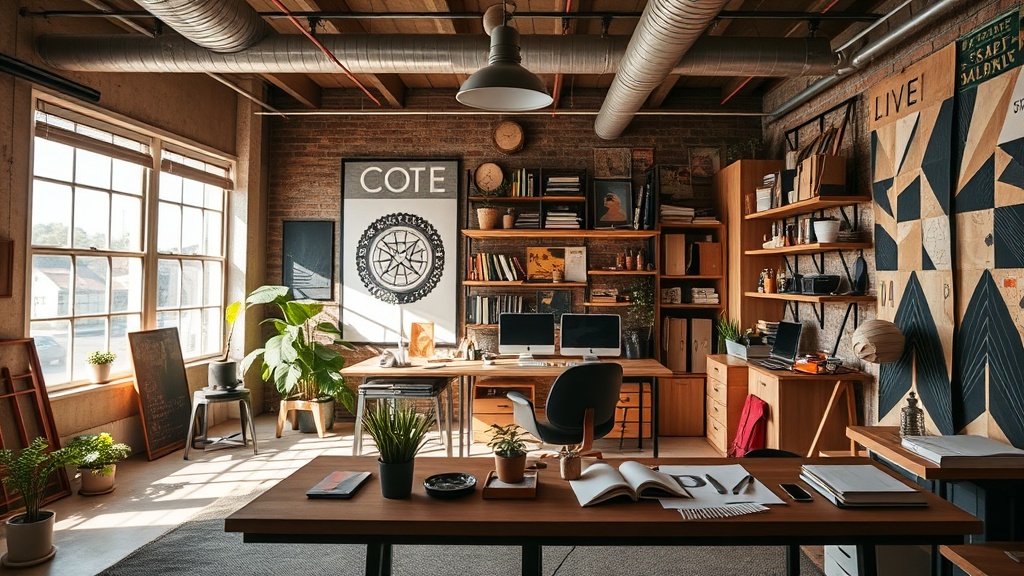
Crafting Your Creative Haven: Orchestrating a Studio Space for Focused Innovation

Setting the Stage for Creativity: Why Your Workspace Matters
This guide will show you how to design and organize a creative workspace that not only inspires your artistic endeavors but also enhances your productivity and artistic flow. We’ll cover everything from intelligent supply storage to ergonomic considerations, ensuring your studio is a true command center where ideas flourish and execution feels effortless. A thoughtfully arranged creative environment isn't just about aesthetics; it’s a strategic choice that minimizes distractions, maximizes efficiency, and ultimately allows your creative energy to flow unimpeded.
How Can I Organize My Art Supplies for Easy Access?
The bedrock of a productive creative space is intelligent organization. Think of your supplies not as clutter, but as your tools—each needing a designated, accessible home. The goal here isn't rigid perfection, but a system that supports your unique working style and allows you to find what you need, when you need it, without breaking your concentration. Start by categorizing your materials: paints with paints, brushes with brushes, paper with paper. Within these categories, consider sub-categorization. For instance, acrylics might be separated from watercolors, or drawing pencils by hardness.
Vertical storage is often a game-changer, especially in smaller spaces. Wall-mounted shelves, pegboards, and clear drawers make the most of unused vertical real estate. Pegboards, in particular, offer incredible flexibility; you can rearrange hooks and containers as your projects evolve, keeping frequently used items within arm’s reach. For smaller, easily misplaced items—beads, findings, specific pens—transparent containers are invaluable. Seeing what’s inside at a glance saves precious time and mental effort. Labeling, though seemingly meticulous, is a critical step. Clear, concise labels on drawers, bins, and boxes prevent forgotten stashes and ensure everything returns to its proper place.
Consider your workflow. What do you reach for most often? These items should occupy prime real estate—the top drawer, the most accessible shelf, or directly on your main work surface. Less frequently used items can reside in deeper storage. Periodically, reassess your system. Do certain items always end up on your desk? Perhaps they need a more prominent spot. Are there tools you haven't touched in months? It might be time to declutter. This iterative process ensures your organization adapts to your current projects and habits, staying helpful rather than becoming an obligation.
For further inspiration on optimizing creative storage, consider exploring different approaches to studio organization that align with various artistic disciplines. Resources from art supply retailers or interior design blogs often provide visual examples of clever solutions.
What is an Ergonomic Setup for a Creative Workspace?
Beyond organization, the physical comfort and health of your creative space are paramount. An ergonomic setup isn't a luxury; it’s an investment in your long-term creative output and well-being. Prolonged periods spent hunching over a canvas, drafting table, or computer can lead to discomfort, fatigue, and even chronic pain, directly impacting your ability to create. The key principle is to minimize strain and promote natural posture.
Your primary work surface—whether a desk, easel, or crafting table—should be at a height that allows your arms to be at a comfortable angle while working, with your shoulders relaxed. Adjustable height desks or tables are excellent for this, allowing you to switch between sitting and standing, which can alleviate back strain and boost energy. If you primarily work seated, a good quality ergonomic chair is non-negotiable. Look for chairs with adjustable seat height, backrest tilt, lumbar support, and armrests. Your feet should be flat on the floor or on a footrest, and your knees should be at approximately a 90-degree angle.
Lighting is another crucial ergonomic factor. Natural light is ideal, but for consistent illumination, invest in good task lighting. Position lights to eliminate glare and shadows on your work. Daylight-balanced bulbs are excellent for rendering true colors, which is especially important for painters and designers. Avoid working in dimly lit spaces, as this strains your eyes and can lead to headaches.
When using a computer for digital art or planning, position your monitor so the top of the screen is at or slightly below eye level. Your monitor should be about an arm’s length away to minimize eye strain. Use an external keyboard and mouse to allow for a more natural arm and wrist position, keeping your wrists straight and relaxed. Taking regular breaks to stretch and move around is just as important as the physical setup itself. Even a few minutes away from your work every hour can make a significant difference in preventing fatigue and maintaining focus. For detailed guidelines on workstation ergonomics, the